
The 5 Key Pillars of Volunteer Management
A simple, repeatable system that churches of any size can adopt and sustain.

Attraction
How do we Attract New Volunteers?
Attraction is about creating a ministry environment that draws the right people to serve—before they are ever asked.
This pillar teaches churches how to move beyond pressure-based recruiting by building a culture that naturally attracts volunteers, while also using intentional outreach when specific roles need to be filled. Together, inbound and outbound strategies create an environment where people want to be part of the mission.

Integration
How Do We Place the Right People in the Right Roles—at the Right Time?
Integration is about intentionally onboarding, training, and placing volunteers so they can serve confidently and effectively from the start.
This pillar helps churches move beyond informal placement and rushed decisions by building a clear integration system that ensures volunteers are properly vetted, equipped, and matched to roles that fit their gifting and availability. When integration is done well, volunteers don’t just fill a spot—they find a place to belong and succeed.

Development
How Do We Keep Volunteers Growing While They Serve?
Volunteers are not just workers—they are future leaders.
This pillar helps churches move beyond a “sign up and serve” mindset by intentionally developing volunteers over time. It focuses on helping people grow in character, competence, and leadership capacity rather than remaining in the same role indefinitely.
Development addresses a common reality in many churches: once volunteers begin serving, ongoing training and spiritual formation often fade into the background. This pillar challenges churches to create pathways that support both skill development and spiritual growth, ensuring that volunteers continue to mature while they serve—and are prepared for greater responsibility in the future.

Recognition
How do we keep volunteers motivated and valued?
Recognition is not about applause—it’s about value.
This pillar helps churches move beyond occasional thank-yous toward a culture where volunteers feel seen, known, and genuinely appreciated in meaningful and personal ways. When recognition is intentional, it reinforces purpose, strengthens commitment, and builds trust.
Recognition also addresses a common reality in many churches: once volunteers are serving consistently, they can unintentionally become invisible. This pillar challenges churches to create simple, repeatable systems that ensure volunteers are consistently encouraged, affirmed, and reminded that their contribution truly matters.

Retention
How Do We Build Long-Term Commitment Among Volunteers?
Retention is the fruit of the other four pillars working together.
This pillar focuses on creating healthy rhythms, clear expectations, and leadership environments that encourage long-term commitment rather than constant turnover. When volunteers are attracted well, integrated intentionally, developed consistently, and recognized meaningfully, retention becomes a natural outcome—not a struggle.
Retention also invites churches to pay close attention when volunteers choose to step away. Instead of reacting defensively, this pillar helps leaders view transitions as valuable feedback. Understanding why people leave often reveals deeper issues within teams—such as unclear leadership, unhealthy dynamics, or misaligned expectations—and provides an opportunity to strengthen the ministry moving forward.This pillar focuses on creating healthy rhythms, clear expectations, and leadership environments that encourage long-term commitment instead of constant turnover.
Why Most Volunteer Systems Break Down
Volunteers feel underprepared or overwhelmed
Leaders are constantly filling gaps instead of developing people
Turnover increases, even among faithful servants
Growth stalls because systems don’t scale
Most churches rely on passion, good intentions, and urgency to mobilize volunteers. While those matter, they are not systems—and over time, the cracks begin to show.
The issue isn’t commitment. It’s structure.
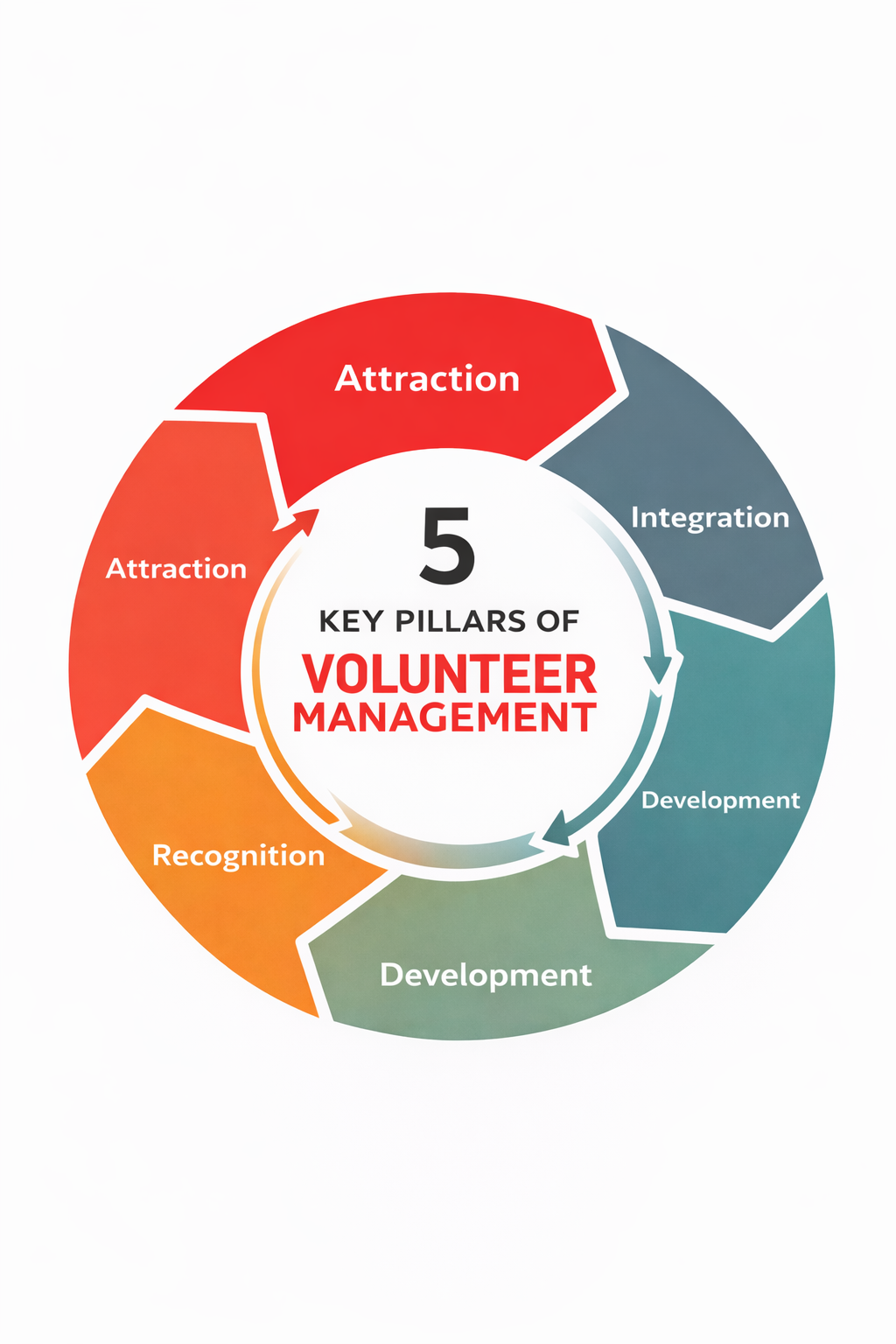
A simple, repeatable system that churches of any size can adopt and sustain.
A practical framework designed to help pastors and church leaders build healthy, sustainable volunteer systems that support ministry growth—not constant burnout.
Who This Framework is For
The 5 Key Pillars framework is designed for:
Pastors and executive leadership teams
Ministry staff overseeing volunteers
Church plants and growing churches
Established churches experiencing volunteer fatigue or turnover
When Churches Adopt the Framework
Expected Outcomes:
Clear volunteer pathways and expectations
Healthier leaders and teams
Stronger volunteer engagement and commitment
A system that supports growth, not just maintenance
Bring The 5 Key Pillars to Your Church
The framework is delivered through customized training workshops designed to meet your church’s size, culture, and leadership structure.